

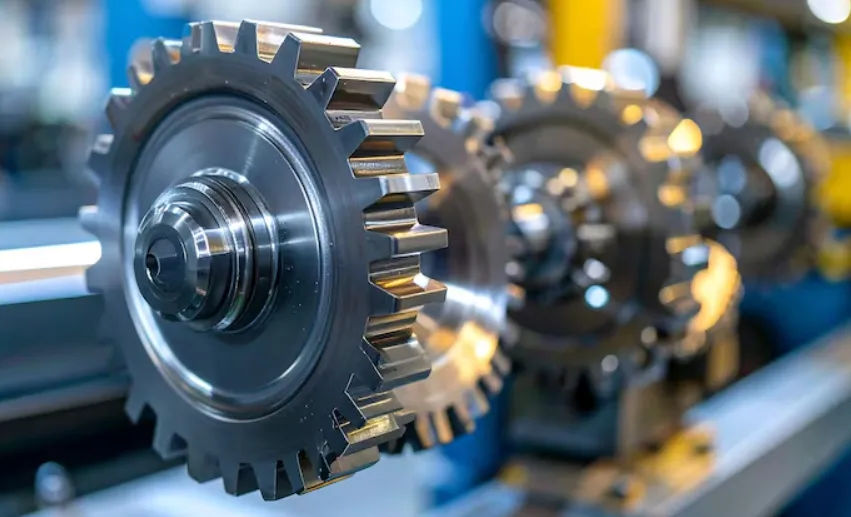
In modern industries, machines depend heavily on gears to transfer motion, power, and torque with accuracy. The quality of these gears directly affects how well equipment performs in daily operations. This is where precision gear manufacturing plays an important role. It ensures that gears are designed and produced with high accuracy, smooth finishes, and exact measurements. As a result, machines work more efficiently, deliver consistent output, and maintain long-term stability. From automotive systems to heavy industrial machines, precision-made gears help industries achieve better productivity and smoother operations.
The Role of Precision in Gear Production
Precision gear manufacturing focuses on creating gears with exact dimensions and highly accurate tooth profiles. This level of detail ensures that every gear fits perfectly within a system and interacts smoothly with other components. When gears are manufactured with precision, the chances of imbalance or misalignment are greatly reduced. This leads to better energy transfer and smoother motion between connected parts.
In addition, precision gear manufacturing uses advanced techniques and controlled production methods to maintain consistency in every unit. This consistency is important for industries that rely on large-scale machinery where even small variations can affect overall performance. High-quality materials and accurate machining processes contribute to stronger and more dependable gears.
Enhancing Industrial Efficiency
One of the major advantages of precision gear manufacturing is improved industrial efficiency. Machines that use precisely manufactured gears operate more smoothly and require less energy to function. This allows industries to achieve higher output while using resources more effectively.
Efficient gear systems reduce friction and ensure that power is transmitted without unnecessary loss. As a result, machines can run at optimal speed without excessive strain. This also supports better workflow in manufacturing plants, production lines, and mechanical systems where continuous operation is essential. Precision gear manufacturing helps industries maintain steady performance, which is key to achieving production goals on time.
Improving Reliability and Performance
Reliability is a critical factor in any industrial operation, and precision gear manufacturing contributes significantly to it. Gears produced with high accuracy are less likely to wear out quickly because they distribute load evenly across their surfaces. This balanced performance reduces stress on individual components and supports longer operational life.
Furthermore, precision gear systems ensure stable performance even under demanding conditions. Whether used in high-speed machinery or heavy-duty equipment, these gears maintain consistent function without frequent interruptions. This level of reliability helps industries maintain productivity and reduces the need for constant adjustments, allowing systems to run smoothly for extended periods.
Supporting Modern Industrial Applications
Modern industries rely on advanced machinery that demands high levels of accuracy and performance. Precision gear manufacturing supports these requirements by providing gears that meet strict technical standards. These gears are used in sectors such as automotive engineering, aerospace systems, robotics, and manufacturing equipment.
With the growing demand for automation and smart machinery, precision gears play an even more important role. They help machines perform complex movements with accuracy and repeatability. This ensures that modern industrial applications can operate with high efficiency and consistent output, supporting innovation and technological growth.
Conclusion
Precision gear manufacturing is a key factor in improving both industrial efficiency and reliability. By ensuring accurate design, smooth operation, and consistent quality, it enhances the performance of machines across various industries. Efficient gear systems reduce energy loss, support continuous operations, and improve overall productivity. At the same time, they offer long-term reliability that industries depend on for stable performance. As technology continues to advance, precision gear manufacturing will remain essential in supporting strong, efficient, and dependable industrial systems.