

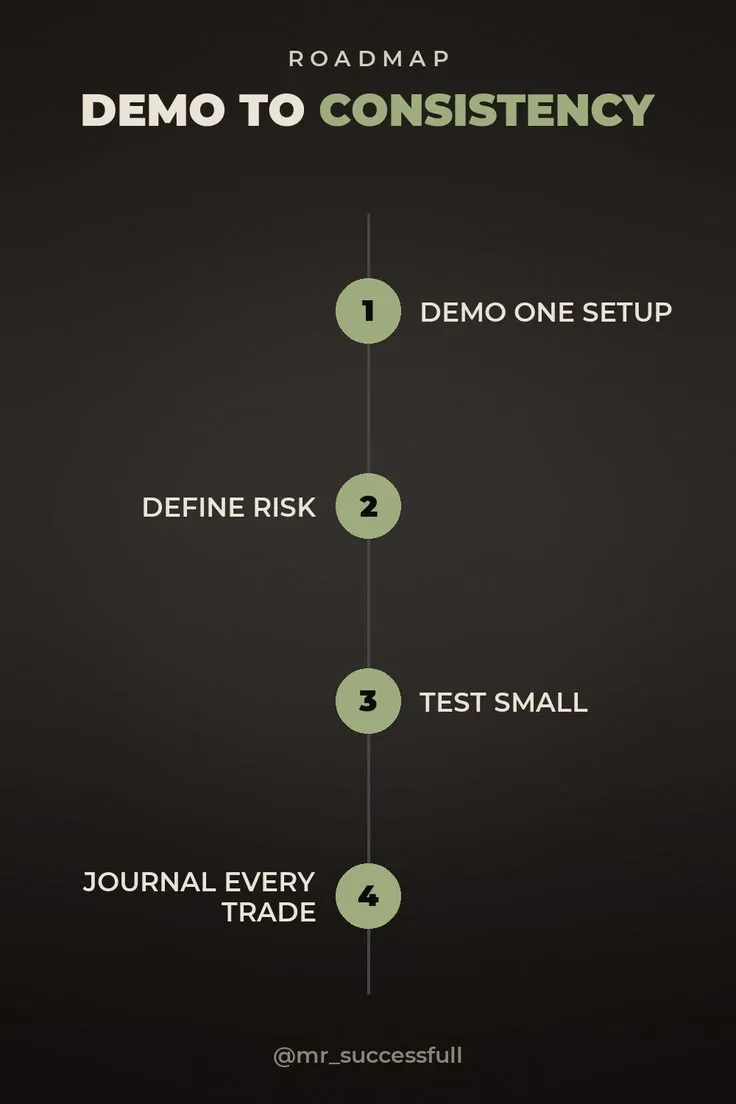
Choosing a trading demo account provider should involve more than checking whether registration is quick or the interface looks modern. A useful demo environment should help traders understand market prices, order types, position sizing and risk controls before real capital is involved. Beginners should also consider whether the platform encourages realistic practice rather than oversized virtual trades. Evaluating these points early can make a practice plan more meaningful and help users decide whether the trading environment fits their learning style and routine.
Check Market Access
A practice plan works best when the platform gives traders access to the markets they actually want to study. Beginners may prefer to start with a few major currency pairs instead of monitoring every available instrument. They should check whether prices, trading hours and contract details are clearly presented. If other CFD markets are available, those can be explored later. Keeping the initial watchlist focused makes it easier to recognise patterns, compare past decisions and understand how specific markets react to changing economic conditions.
Test Everyday Usability
Platform usability should also be tested before a trader commits to a longer practice routine. Important functions such as charts, watchlists, account information and open positions should be easy to locate. Traders can practise switching between instruments, changing timeframes and reviewing order details to see whether the workflow feels logical. A complicated interface can distract from analysis, especially when markets move quickly. The goal is not to find the platform with the most features, but one that supports a clear and repeatable process.
Review Order and Risk Controls
A forex trading demo account platform can be more useful when traders test its order and risk-management tools under realistic conditions. Practice should include opening and closing positions, selecting sensible trade sizes, setting stop-loss levels and reviewing margin information. Traders should avoid treating virtual funds as unlimited because careless behaviour can create habits that do not translate well to live trading. A demo environment is most valuable when every position follows the same risk rules the trader intends to use later.
Observe Different Market Conditions
Reliable practice requires more than a few successful trades. Traders should observe how the platform behaves during quiet periods, active sessions and times of higher volatility. Scheduled economic announcements can create faster price movements, wider spreads or sudden changes in market direction. Testing across different conditions gives a more balanced view of both the platform and the strategy being practised. It also helps traders understand that a setup working well in one environment may perform differently when liquidity, volatility or market sentiment changes.
Examine Learning Support
Educational support can strengthen a demo experience when it helps users understand both platform functions and market behaviour. Economic calendars, introductory guides and market analysis can provide context for movements in currencies and other CFD instruments. Traders should still compare information from multiple reliable sources and avoid treating general educational material as personalised advice. A useful provider should make learning resources easy to access, but the trader remains responsible for deciding how that information fits a personal strategy, risk tolerance and trading objective.
Track the Practice Experience
Keeping records can show whether a demo provider supports disciplined learning. Traders can document the market traded, entry reason, position size, planned exit and final result after each session. They should also note whether the original rules were followed. Over several weeks, these records may reveal recurring mistakes, platform frustrations or strengths in the practice routine. A trading journal therefore helps separate a useful learning environment from one that merely makes frequent trading easy, providing a clearer basis for deciding whether to continue using it.
Conclusion
Assessing a demo provider before building a practice plan can help traders create a more realistic and organised learning process. Market access, platform usability, order controls, risk tools, educational resources and stability should all be considered together rather than judged in isolation. Traders exploring btcdana.com can review these features as part of their comparison while remembering that forex and CFD trading involve financial risk. Demo results cannot guarantee live performance, so disciplined preparation and independent risk assessment remain essential before real capital is committed.