

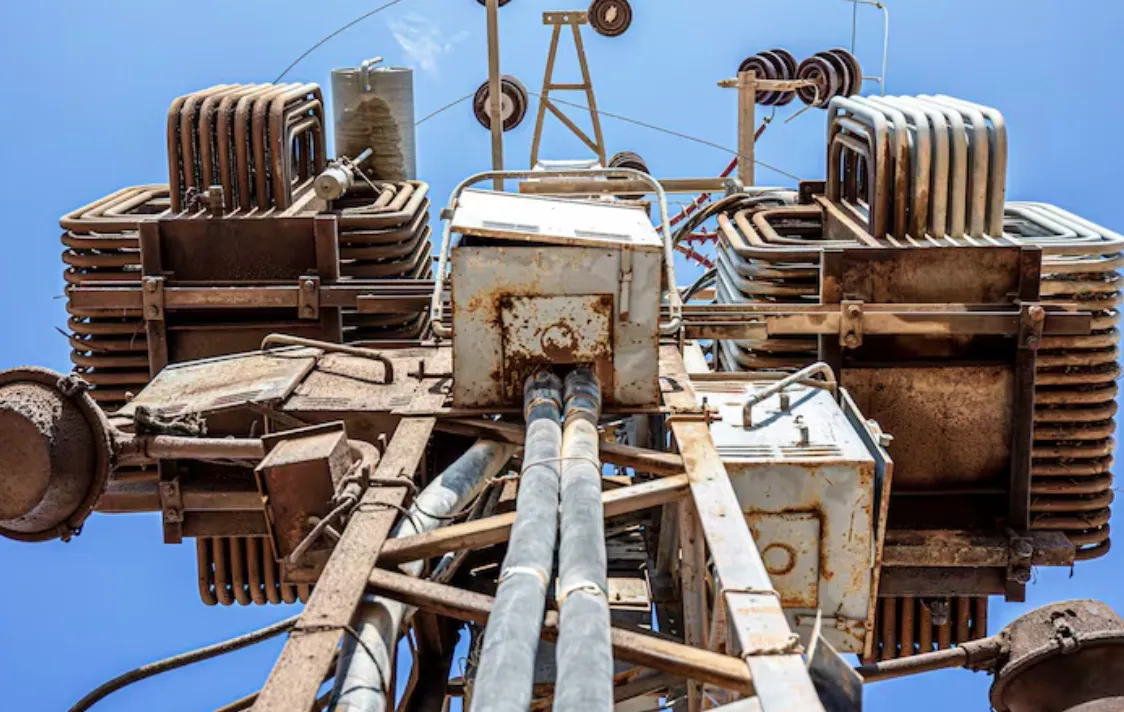
In an era defined by the urgent need for sustainable industrial practices, the management of electrical waste has become a critical priority. Transformers, which are essential components of power distribution networks, eventually reach the end of their operational lives.
Rather than allowing these units to accumulate in landfills, industries are increasingly recognizing the immense value hidden within them.
Converting aged electrical equipment into reusable materials is a process that yields significant ecological and financial rewards for both companies and the global economy.\
Recovering High-Value Metals
The most immediate benefit of recycling is the recovery of valuable raw materials. Transformers are rich in high-grade copper, aluminum, and electrical-grade steel.
These metals are highly sought after for the manufacturing of new electrical components, yet their extraction from raw ores is a resource-intensive and environmentally damaging process.
By effectively processing scrap transformers, industries can reclaim these metals, significantly reducing the demand for new mining activities. This circular approach saves energy, minimizes carbon emissions, and ensures that finite natural resources are kept in continuous use.
Mitigating Environmental Contamination
Improper disposal of decommissioned electrical equipment poses a severe threat to the environment. Older units often contain hazardous substances, including insulating oils that may harbor polychlorinated biphenyls or other toxic contaminants.
When these units are abandoned, these pollutants can leach into the soil and groundwater, causing long-term ecological damage. Professional recycling facilities are equipped to safely extract, treat, and dispose of these hazardous fluids.
By choosing to process scrap transformers through authorized channels, organizations prevent hazardous materials from polluting fragile ecosystems.
Promoting a Circular Industrial Economy
The transition toward a circular economy requires moving away from the take-make-dispose model that has dominated manufacturing for decades. Recycling programs demonstrate how industrial waste can be transformed into a secondary source of raw material.
When companies commit to recovering components from scrap transformers, they help stabilize the supply chain for essential metals.
This stability is crucial for the renewable energy sector, which relies heavily on copper and steel to build modern grid infrastructure. Recycling turns waste into a foundation for future technological innovation.
Reducing Operational Waste Management Costs
Beyond the clear environmental advantages, there is a strong business case for systematic recycling. Large-scale utility providers and industrial facilities often struggle with the logistical and financial burdens of managing bulky electrical waste.
Entrusting these units to specialized recyclers allows companies to offset disposal fees by receiving payments for the recovered metals.
This shift turns a costly waste liability into a potential revenue stream, optimizing corporate budgets while simultaneously demonstrating a commitment to responsible and sustainable asset management.
Energy Efficiency in Material Production
Producing metals from recycled materials requires a fraction of the energy needed to process virgin ore. For example, recycling aluminum consumes significantly less electricity compared to primary production methods.
By reclaiming metals from decommissioned units, the global industrial sector lowers its total energy consumption and reduces its reliance on fossil fuels.
This energy efficiency is a fundamental component of reaching broader climate goals and reducing the industrial footprint on the planet, making recycling a strategic pillar of modern energy policy.